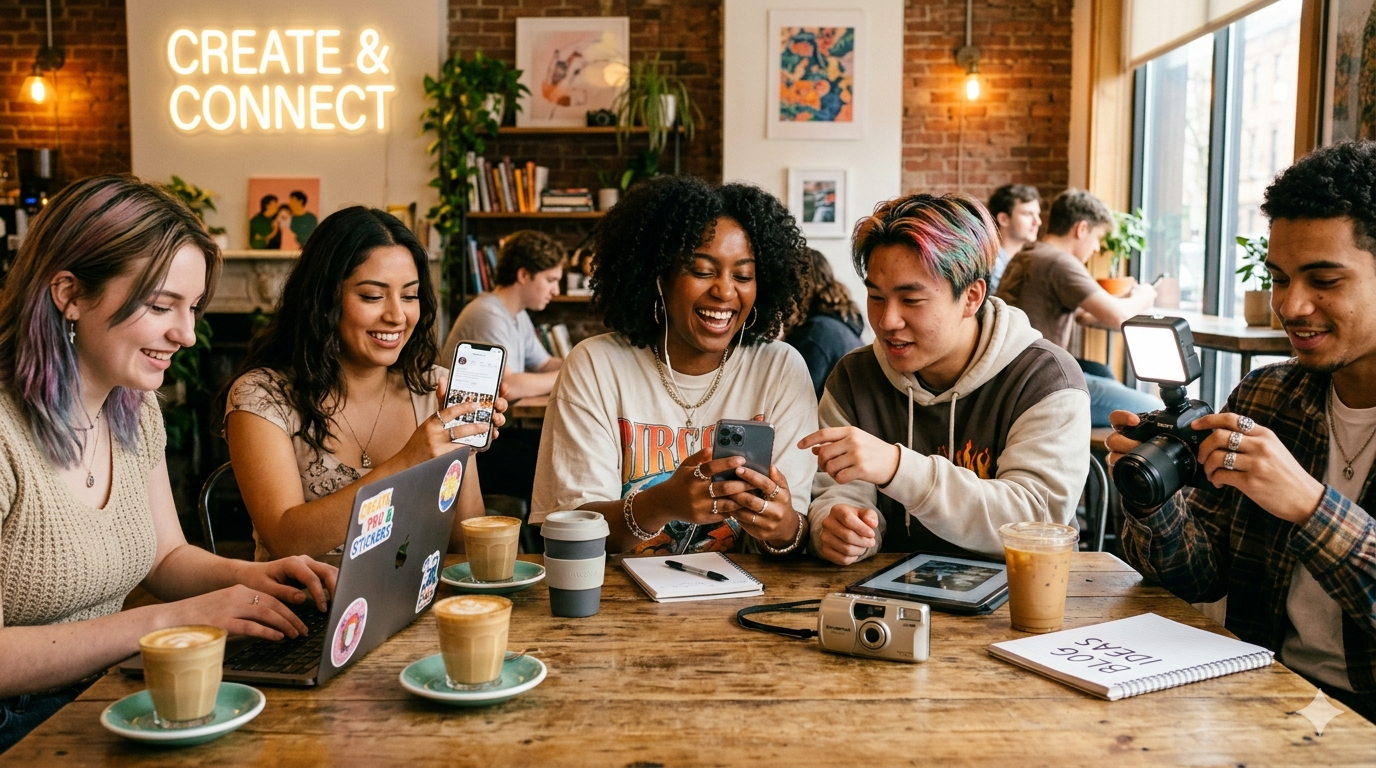
A few years ago, “Gen Z” was just a buzzword.
Today?
They’re shaping trends, redefining careers, and changing how the world works.
But here’s the real question:
Who exactly is Generation Z—and why do they matter so much right now?
Let’s break it down.
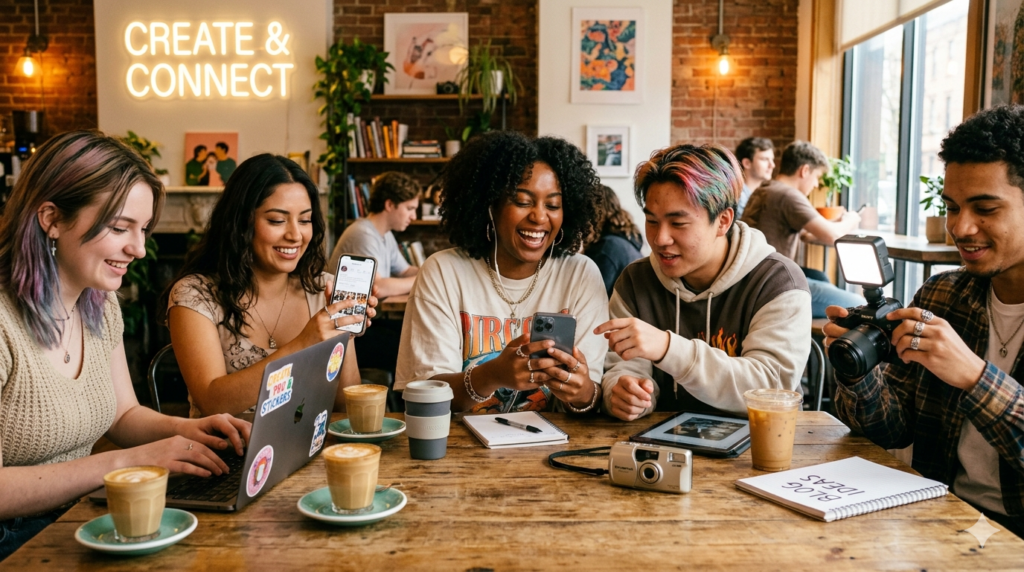
Who Is Generation Z?
Generation Z (Gen Z) refers to people born roughly between:
👉 1997 and 2012
They come after Millennials and are the first generation to grow up fully in the digital age.
What Makes Gen Z Different?
Unlike previous generations, Gen Z:
- Grew up with smartphones
- Experienced social media from a young age
- Lives in a world of constant information
👉 They don’t “adapt” to technology—they live inside it.
The Gen Z Mindset (This Is Where It Gets Interesting)
If you want to understand Gen Z, you need to understand how they think.
1. They Value Freedom Over Stability
Previous generations chased:
- Stable jobs
- Long-term careers
Gen Z prefers:
- Flexibility
- Remote work
- Multiple income streams
👉 For them, freedom > job security.
2. They Don’t Trust Traditional Systems
Gen Z has grown up seeing:
- Economic uncertainty
- Job instability
- Rapid change
So instead of relying on systems, they:
- Build personal brands
- Learn skills online
- Explore independent careers
3. They Think in “Content”
This is a big one.
Platforms like TikTok, Instagram, and YouTube shape how Gen Z communicates.
They:
- Learn through short videos
- Express themselves through content
- Consume information quickly
👉 Attention spans aren’t “short”—they’re efficient.
How Gen Z Is Changing the Job Market
Gen Z isn’t just entering the workforce—they’re rewriting the rules.
1. The Rise of the Creator Economy
Many Gen Z individuals are choosing:
- Content creation
- Freelancing
- Online businesses
Instead of traditional jobs.
2. Skills Over Degrees
Gen Z increasingly values:
- Real skills
- Practical experience
Over:
- Formal education
👉 Online learning platforms are replacing traditional paths.
3. Job Apps Are No Longer Enough
Gen Z doesn’t just apply for jobs—they:
- Network
- Build portfolios
- Showcase skills online
Platforms like LinkedIn are used differently by Gen Z—they focus on visibility, not just applications.
The Strengths of Generation Z
Let’s be fair—Gen Z brings serious advantages.
✔ Tech-Savvy
They understand digital tools naturally.
✔ Fast Learners
They adapt quickly to new platforms and trends.
✔ Creative
They think in ideas, content, and storytelling.
The Challenges Gen Z Faces
It’s not all positive.
1. Information Overload
Constant exposure to content leads to:
- Distraction
- Difficulty focusing
2. Mental Health Pressure
Social media comparison creates:
- Anxiety
- Unrealistic expectations
3. Career Confusion
With too many options, many feel:
- Overwhelmed
- Unsure of direction
Real Example: A Typical Gen Z Path
Let’s look at a realistic scenario:
A Gen Z individual:
- Learns video editing from YouTube
- Starts posting content
- Builds a small audience
- Gets freelance work
👉 No degree. No traditional job application.
How Businesses Must Adapt to Gen Z
If companies want to succeed, they must understand Gen Z.
What works:
- Authentic content
- Fast communication
- Flexibility
What doesn’t:
- Corporate tone
- Slow hiring processes
- Rigid systems
👉 Gen Z values realness over perfection.
The Future of Generation Z
Here’s what’s coming:
- More creators than employees
- More remote work
- More independent careers
Gen Z isn’t following the old system.
They’re building a new one.
Final Thoughts
Generation Z is not “lazy” or “distracted” like some people think.
They’re:
- Adaptive
- Digital-first
- Opportunity-driven
Key Takeaway
Generation Z isn’t just another generation—they’re a shift in how the world works.
FAQs
What age is Generation Z?
Gen Z includes people born between 1997 and 2012.
Why is Gen Z different?
They grew up fully in the digital world, shaping their mindset and behavior.
What does Gen Z want in a career?
Flexibility, freedom, and meaningful work over traditional stability.
8 thoughts on “Generation Z: Who They Are and Why They’re Changing Everything (2026 Guide)”