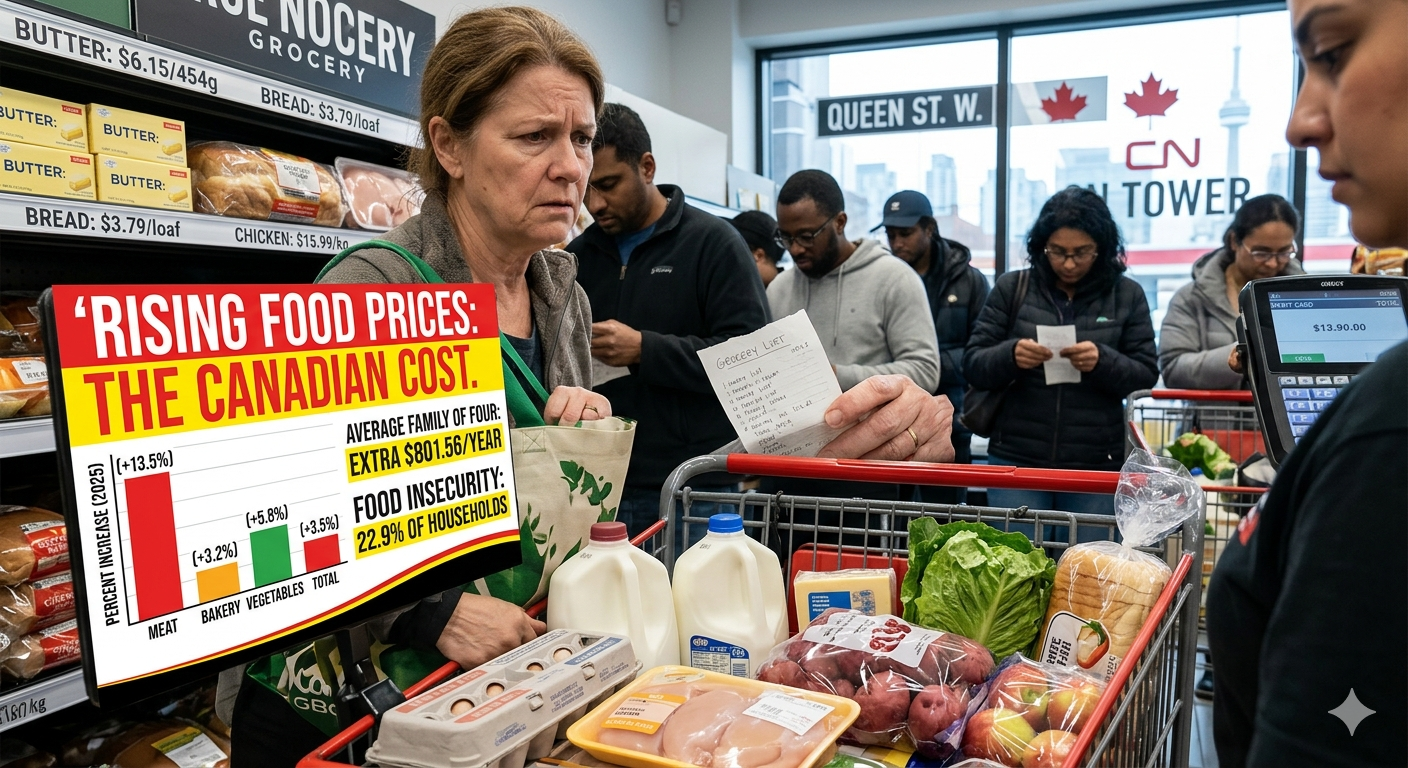
Over the past few years, Canadians have felt the pinch at grocery stores, with food prices steadily rising. Whether it’s for your weekly groceries or a special meal, the cost of food in Canada is undeniably higher than it used to be. But what’s behind this upward trend in prices?
In this post, we’ll dive into the key factors driving food price increases in Canada and explore what it means for consumers, plus how you can adjust your budget to keep your food costs under control.
Why Are Food Prices Rising in Canada?
Understanding the why behind rising food prices is crucial. Several factors play into the cost of food in Canada, and it’s not just about inflation. Here are some of the most significant reasons:
1. Global Supply Chain Issues
The COVID-19 pandemic and subsequent recovery period disrupted supply chains worldwide. Canada, like many countries, experienced delays and shortages due to:
- Labor shortages in farms, warehouses, and transportation sectors.
- Shipping container shortages and port congestion, leading to delays in product arrivals.
- Border restrictions affecting cross-border trade, especially for produce and perishable goods.
These supply chain disruptions have had a lasting impact on food production and delivery, leading to higher costs for consumers.
2. Labor Shortages and Inflation
Canada has also faced a labor shortage in the food industry, from farm workers to truck drivers and food processors. This labor gap has made it harder for companies to meet demand, which increases prices.
At the same time, inflation has driven up costs across many industries. Higher wages and more expensive raw materials add to the final cost of food. The inflation rate in Canada reached a 40-year high in 2022, with food prices being some of the hardest-hit items, especially for meat, dairy, and fresh produce.
3. Climate Change and Extreme Weather
Canada’s agriculture sector is also feeling the effects of climate change. From wildfires in the west to droughts in the prairies and floods in the east, extreme weather events have decimated crops, leading to shortages and higher prices.
For example, the droughts of 2021 affected the production of grains like wheat and barley, which in turn impacted the prices of animal feed and, consequently, the price of meat products.
4. Fuel Costs and Transportation
Higher fuel prices have a direct impact on the cost of transporting food. With the price of gasoline and diesel climbing, it becomes more expensive for trucks and ships to deliver food from farms and ports to grocery stores. This higher transportation cost is passed on to consumers.
In addition, transportation bottlenecks (especially at key ports and trucking routes) mean that goods are taking longer to arrive, adding to the cost.
5. Increased Demand for Local and Organic Produce
Canadians are increasingly seeking local and organic food options. While this is great for supporting local farmers and reducing environmental footprints, local and organic food often costs more to produce. These higher production costs are reflected in grocery store prices.
The Impact on Canadians: What You’re Paying More For
As food prices rise, some categories are seeing more dramatic increases than others. Understanding which foods are most impacted can help you better manage your grocery budget.
1. Meat and Poultry
In recent years, meat prices—especially for beef and poultry—have increased significantly. This is partly due to higher feed costs, labor shortages in processing plants, and ongoing challenges in the supply chain.
In 2022, beef prices soared by nearly 10%, and chicken and pork also saw significant price hikes. With inflation and rising transportation costs, the outlook for meat prices remains high in 2023 and beyond.
2. Dairy Products
The prices of dairy products like milk, cheese, and eggs have also been climbing. Higher feed prices for dairy cows and transportation costs, along with inflation, are making these staple items more expensive.
In particular, cheese prices have seen dramatic increases, with some Canadian households noticing a 15% or more jump in cheese costs since last year.
3. Fresh Produce
In Canada, fresh fruits and vegetables are highly dependent on both local growing seasons and imports from countries with different climates. When production is low due to extreme weather or transportation delays, prices can rise. This was especially noticeable in 2022, when poor weather conditions in Canada and the U.S. led to high prices for fruits like apples, tomatoes, and lettuce.
How to Manage Rising Food Prices
While rising food prices are a challenge, there are several strategies you can adopt to manage your grocery budget more effectively.
1. Meal Planning and Bulk Buying
Meal planning is one of the most effective ways to prevent overspending at the grocery store. By planning your meals in advance, you can ensure you’re buying only the items you need and avoiding impulse purchases.
In addition, buying in bulk for pantry staples such as rice, beans, and pasta can help reduce overall food costs. Just be sure to store items properly to avoid spoilage.
2. Shop Seasonal and Local
Buying seasonal produce is often cheaper because it’s in greater supply. Look for deals on local fruits and vegetables that are in season, as these tend to be more affordable than imported options.
3. Use Coupons and Discounts
Take advantage of coupons, discounts, and sales to save on essential items. Many grocery stores and apps offer digital coupons that can be used at checkout. Signing up for loyalty programs at stores like Loblaw’s or Sobeys can also unlock additional savings.
4. Consider Alternatives
If meat prices are too high, consider plant-based alternatives such as tofu, beans, or lentils, which are often cheaper and offer the same nutritional value. Swapping out some pricey proteins with more affordable plant-based options can significantly reduce your food bill.
Looking Ahead: What’s Next for Food Prices in Canada?
While food prices are expected to remain high in the short term, there is some hope that the worst is behind us. As supply chains stabilize, labor shortages are addressed, and production improves, we may see more manageable food prices in the coming years.
However, with ongoing challenges like climate change and geopolitical tensions, the future remains uncertain. It’s essential for Canadians to stay informed about these issues and continue finding ways to adjust their grocery shopping habits to ensure they can still feed their families.
Final Thoughts
The rising cost of food in Canada is driven by a complex mix of factors—global supply chain disruptions, inflation, extreme weather, and higher fuel prices. While the challenges are real, there are actionable steps Canadians can take to mitigate the impact on their budgets.
By meal planning, buying in bulk, shopping seasonally, and considering alternatives, it’s possible to navigate the rising food costs without sacrificing the quality or variety of your meals.
The situation may not change overnight, but with smart strategies and awareness, you can manage the rising food prices without losing your peace of mind.
Tags (SEO Optimized)
rising food prices in Canada, food price increases, Canadian grocery prices, inflation Canada food, food costs 2026, impact of climate change on food prices, food supply chain disruption, Canadian meat prices, rising dairy costs Canada, how to save on groceries Canada, meal planning for food costs, food budgeting tips, cost of living Canada, managing food costs, rising costs of fresh produce in Canada
1 thought on “The Rising Canadian food Prices: What’s Behind It and How to Manage It”