
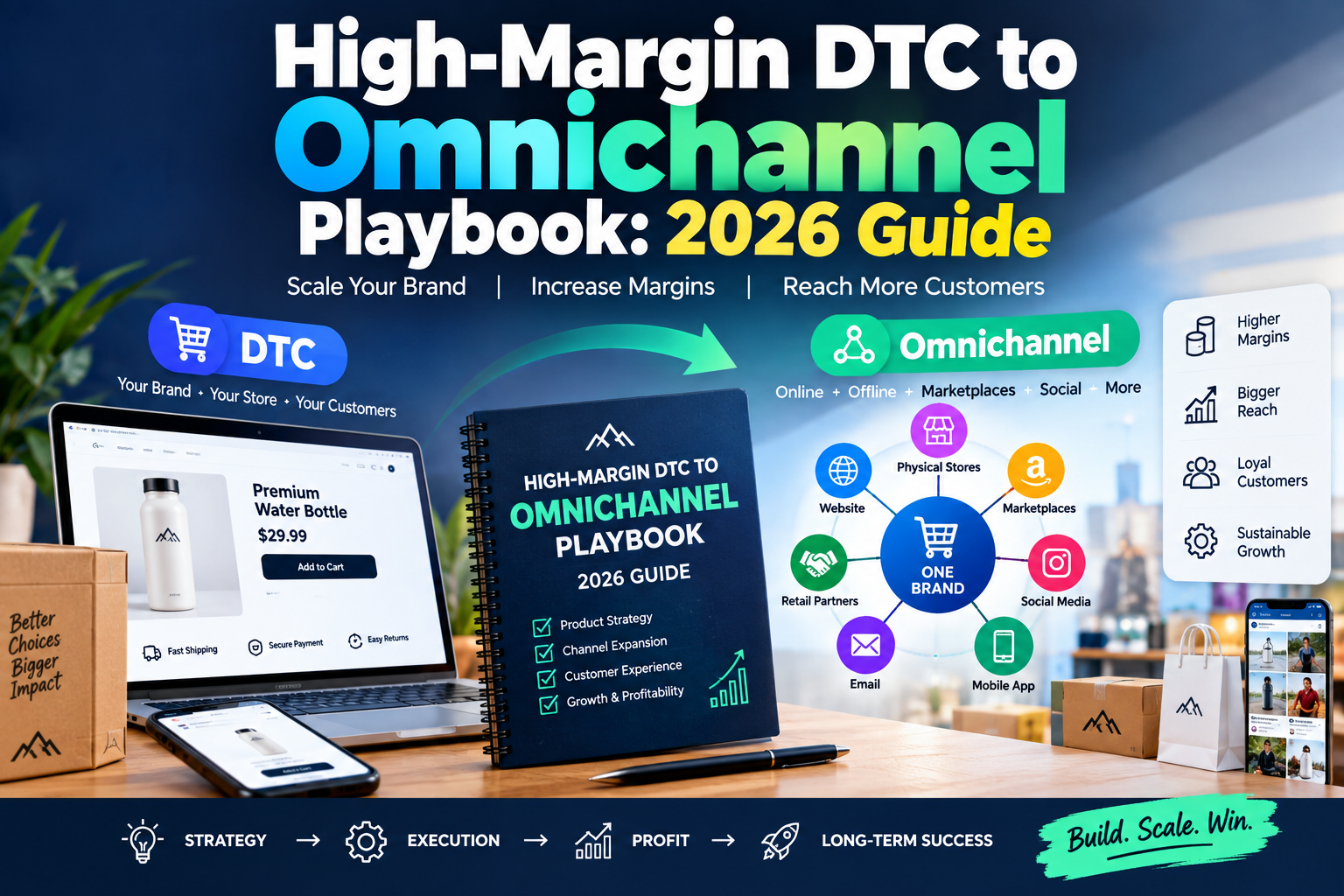
The traditional direct-to-consumer (DTC) model that minted unicorns a decade ago is officially obsolete. Skyrocketing digital ad costs, signal loss from platform privacy updates, and compressed gross margins have made customer acquisition cost (CAC) the ultimate brand killer. To build a wildly profitable consumer packaged goods (CPG) business today, founders must embrace the High-Margin DTC to Omnichannel Playbook.
Instead of burning venture capital on unprofitable Meta and TikTok ads, modern operators engineer near-zero CAC engines before manufacturing a single SKU. They validate demand digitally, leverage creator-led community loops, and rapidly transition into mass retail distribution.
In this comprehensive guide, we unpack the exact operating systems, unit economics, and distribution frameworks required to launch and scale a brand in 2026. Whether you are building in Austin, London, Toronto, or Sydney, these battle-tested strategies will safeguard your margins.
The Death of Pure-Play DTC and the 2026 Reality
For years, direct-to-consumer commerce promised complete independence from brick-and-mortar middlemen. Brands captured 100% of the customer relationship and enjoyed high perceived gross margins. However, digital rents quickly surpassed commercial physical leases.
According to research from NielsenIQ, more than 78% of overall packaged goods purchasing still occurs inside physical retail environments. Relying solely on a Shopify storefront forces brands to absorb brutal shipping, fulfillment, and return overheads on every single unit sold.
Furthermore, consumer fatigue has reached an all-time high. Shoppers in Tier 1 markets expect instant gratification, effortless returns, and local convenience. A standalone digital presence simply cannot compete with instant shelf availability across Target, Walmart, Tesco, or Woolworths.
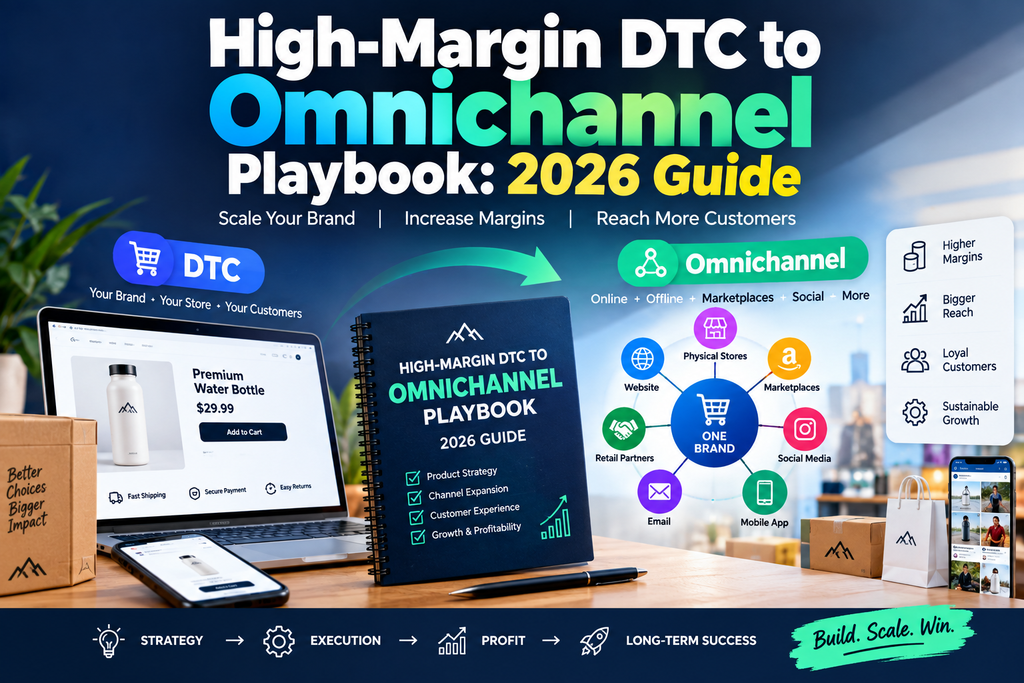
The Customer Acquisition Cost Trap
Between 2020 and 2026, blended paid media acquisition costs across major networks inflated by more than 240%. Brands that built financial models around a $15 CAC suddenly watched those figures climb past $55 on products retailing for $30.
When first-order contribution margin turns negative, hyper-growth becomes a guaranteed bankruptcy speedrun. Retention alone cannot fix broken top-of-funnel unit economics when repeat purchase windows lag behind cash flow needs.
Modern consumer startups must invert the traditional launch order. You do not purchase eyeballs; you manufacture authentic cultural resonance that pulls inventory off shelves organically.
Core Pillars of the High-Margin DTC to Omnichannel Playbook
Executing this roadmap requires understanding that DTC is no longer the final destination. In the High-Margin DTC to Omnichannel Playbook, your digital storefront functions strictly as an R&D lab, a data clearinghouse, and a high-margin margin cushion.
Physical retail delivers the massive volume, while digital channels preserve brand storytelling and exclusive margin-accretive drops. Combining both environments creates a self-reinforcing flywheel that drives acquisition costs down to zero.
To see how category leaders execute this transformation, examine the Feastables omnichannel launch strategy, which weaponized digital attention to conquer national retail chains in record time.
Pillar 1: 70%+ Gross Margin Formulation
Omnichannel success requires deep distributor discounts, slotting fees, broker commissions, and promotional markdowns. If your product does not command at least a 65% to 75% gross margin at retail MSRP, physical expansion will crush your balance sheet.
- COGS Compression: Formulate products using widely available base ingredients or standardized packaging components to preserve capital.
- Premium Pricing Architecture: Position your value proposition to justify top-quartile retail shelf pricing rather than competing on discounts.
- Lean Packaging Design: Optimize dimensions to reduce freight-per-pallet expenses and minimize retail shelf footprint.
For a detailed financial breakdown of structuring your product economics, explore how to build a 65%+ margin CPG product in 2026 using modern contract manufacturing.
Pillar 2: Zero-CAC Organic Distribution Engines
Paying for digital traffic before securing product-market fit is the fastest way to deplete capital. Winning operators establish native organic distribution networks across TikTok, Instagram Reels, and YouTube Shorts months before launching.
This means partnering with equity-incentivized creator-founders, building entertaining internal media channels, or engineering algorithmic viral loops. The audience must already exist, eagerly awaiting your product drop.
Modern younger demographics see right through polished corporate advertising. As detailed in our breakdown of Generation Z consumer behavior, authenticity and unvarnished entertainment are the primary drivers of commercial intent.
Phase 1: Digital Validation and Community Pre-Seeding
Never sign a major production run based on guesswork. Phase 1 centers on micro-batch digital validation, waitlist velocity, and hyper-targeted subscriber capture.
By leveraging small digital drops, you test messaging, collect direct customer feedback, and build a localized demographic map. When retail buyers eventually ask where your demand is located, you will hand them verified postal code data.
During this phase, keep your overhead extremely light. Outsource logistics to flexible third-party fulfillment centers (3PLs) and focus your internal energy solely on creative storytelling and retention.
Engineering the Waitlist Scarcity Model
Scarcity creates intense commercial urgency. Instead of keeping your storefront permanently stocked, run episodic batch drops that sell out within hours.
- Tease the Formulation: Document the formulation and design process publicly to establish emotional investment.
- Gated SMS Access: Require prospective buyers to submit their phone number and postal code to receive drop access codes.
- Strict Product Caps: Limit purchase quantities to two units per household to prevent scalping and amplify viral demand.
This dynamic transforms passive consumers into active brand evangelists who share their unboxing experiences across social channels without requiring paid affiliate kickbacks.
Phase 2: Transitioning from Digital DTC to Brick-and-Mortar Shelves
Once your digital batch drops demonstrate repeat order rates above 30%, you hold the leverage needed to negotiate favorable retail terms. Retail category buyers are no longer looking for unproven concepts; they want pre-sold foot traffic.
A study published by Harvard Business Review emphasizes that successful omnichannel brands do not cannibalize their digital sales when entering physical retail; instead, retail presence creates an ambient halo effect that lifts digital conversion rates by up to 37% in corresponding zip codes.
Do not attempt to roll out nationwide into 4,000 doors immediately. Regional density is the secret to sustaining early retail velocity.
Targeting Regional Anchor Retailers
Choose a specific geographic corridor where your digital waitlist data shows high customer density. Launch in a respected regional grocer or specialty chain (such as Erewhon in Southern California, Wegmans in the Northeast, or Boots in the UK).
Concentrated regional distribution makes localized experiential activations and founder store visits physically manageable. It also allows you to focus your supply chain routing, dramatically lowering regional freight expenses.
Your primary goal in month one is simple: achieve the highest units sold per store per week (UPSTPW) in your designated category aisle.
Weaponizing Digital Geo-Fencing to Drive In-Store Foot Traffic
When you place inventory onto retail shelves, your digital community becomes your tactical foot-traffic weapon. Mobilize your email and SMS list by offering exclusive community rewards for purchasing in-store.
- Receipt Upload Incentives: Provide exclusive digital merchandise, limited flavor samples, or sweepstakes entries when users scan their retail receipts.
- Localized Founder Tours: Announce surprise pop-up appearances at specific retail doors to trigger lines around the block.
- Interactive Store Locators: Embed dynamic stock-level locators on your website that route high-intent digital shoppers directly to the nearest physical shelf.
For more inspiration on gamifying offline behavior, read how gamified virality drives retail foot traffic during critical shelf-life windows.
Phase 3: The Omnichannel Flywheel and Margin Optimization
At full maturity, your brand operates as a balanced ecosystem where each channel funds and fortifies the other. DTC covers your product innovation and high-margin direct relationships, while wholesale delivers scale economies and mainstream household penetration.
Global market analytics from Statista indicate that multi-channel shoppers have a 30% higher lifetime value compared to single-channel shoppers. When a customer discovers you at retail, they are far more likely to subscribe to recurring bundles on your digital storefront later.
This interplay fundamentally drives your blended customer acquisition cost toward zero. Every physical retail shelf acts as an unblockable, permanent billboard that pays you rent instead of draining your cash reserve.
Financial Comparison: Pure DTC vs. Omnichannel Engine
| Metric | Traditional Pure DTC (2020 Model) | Omnichannel Playbook (2026 Model) |
|---|---|---|
| Blended Customer Acquisition Cost (CAC) | $45.00 – $75.00 | $2.00 – $8.00 (Near-Zero Organic) |
| Gross Margin Profile | 55% (Eaten by shipping/ad spend) | 72% (Formulated for distributor tiers) |
| First-Order Contribution Margin | Negative to Breakeven | Strongly Positive (30%+) |
| Primary Marketing Mechanism | Meta / Google Paid Ads | Organic Viral Media & Retail Footprint |
| Working Capital Risk | Extreme Inventory Trapping | Predictable Wholesale Purchase Orders |
Operational Execution: The 2026 Brand Launch Checklist
Executing this roadmap requires relentless attention to operational detail. Use this structured checklist to ensure your brand is built to endure market shifts:
- Formulate for Unit Economics: Secure baseline manufacturing terms that guarantee at least 70% gross margins before volume scaling.
- Establish Media Infrastructure: Launch content series and secure organic attention platforms 90 days before your first inventory drop.
- Collect Verified First-Party Geo Data: Capture customer phone numbers and postal codes on digital waitlists to prove geographic retail demand.
- Pilot Regional Physical Doors: Partner with a high-reputation regional retail partner to establish industry-leading velocity metrics.
- Reinvest Retail Cash Flow into R&D: Use wholesale purchase order cash flow to finance premium DTC-only subscriber exclusives.
Conclusion: Mastering the High-Margin Playbook
The consumer landscape of 2026 offers no mercy to brands clinging to outdated paid advertising playbooks. By executing the High-Margin DTC to Omnichannel Playbook, you remove dependency on unpredictable ad algorithms and build sustainable, lasting enterprise value.
Start with world-class product margins, cultivate dedicated organic communities, and leverage physical retail shelves as your premier customer acquisition channel. The future belongs to brands that meet modern shoppers wherever they choose to spend.
Frequently Asked Questions (FAQs)
What is the High-Margin DTC to Omnichannel Playbook?
The High-Margin DTC to Omnichannel Playbook is a modern commercial strategy where brands formulate products with high gross margins (70%+), validate demand via organic digital drops, and scale rapidly into physical retail to achieve near-zero customer acquisition costs.
Why is pure DTC no longer viable for new consumer brands in 2026?
Pure DTC has become unprofitable due to soaring digital ad CPMs, tracking limitations, and heavy parcel shipping expenses. Without physical retail distribution, acquiring single-transaction customers digitally erodes operating margins.
How do you achieve near-zero CAC when launching a consumer product?
Near-zero CAC is achieved by building organic media engines, partnering with creators, leveraging scarcity-based waitlist drops, and utilizing physical retail shelves as organic discovery billboards rather than relying on paid digital ads.
What gross margin does a consumer brand need to enter retail distribution?
A consumer brand should aim for a 65% to 75% gross margin at retail MSRP. This margin profile ensures the company absorbs distributor markdowns, broker fees, retail slotting costs, and promotional discounts while remaining solidly profitable.
How does physical retail expansion benefit a brand’s online sales?
Physical retail presence acts as a credible trust signal and persistent physical billboard. Academic studies show entering brick-and-mortar retail can lift corresponding local digital traffic and e-commerce conversion rates by up to 37%.